The automotive industry has undergone a monumental transformation over the past few decades. What began as a world dominated by mechanical systems and components has shifted dramatically towards a digital landscape enriched with advanced technologies. This evolution has significant implications for mechanics, car owners, and the future of automotive repairs.
The Age of Analog Mechanics
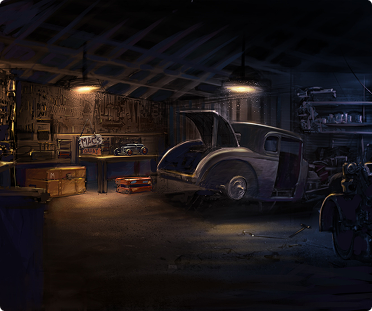
In the early days of automotive design, vehicles relied heavily on mechanical systems. These cars operated on simple principles: engines, transmissions, brakes, and steering mechanisms were largely mechanical, requiring hands-on skills for diagnosis and repair. Mechanics used tools like wrenches and gauges to inspect, maintain, and diagnose issues.
Repair manuals were often thick tomes filled with diagrams and specifications for individual models, and mechanics honed their skills through years of practice. This era emphasized physical skills and an intimate understanding of mechanical systems, where experience and intuition played vital roles in troubleshooting problems.
The Shift to Digital Technology
As technology advanced, the automotive industry began to embrace digital systems to meet increasing consumer demands for safety, efficiency, and performance. The introduction of electronic fuel injection (EFI) systems in the 1980s marked the beginning of this shift.
EFI offered better fuel efficiency, reduced emissions, and enhanced engine performance. With the advent of computers in vehicles, the intricate relationship between software and hardware began to develop.
Modern cars are equipped with numerous sensors measuring everything from temperature and pressure to speed and position. These sensors feed data to electronic control units (ECUs), which make real-time adjustments to optimize performance.
Implications for Mechanics
The transition from mechanical to digital systems has profound implications for mechanics. Today’s automotive professionals must not only possess traditional mechanical skills but also understand complex electronic systems and software analytics.
This dual expertise is essential for effective diagnostics and repairs. For example, a mechanic today uses diagnostic tools and software to read error codes from a vehicle’s computer.
This information provides critical insights into potential issues, enabling quicker and more accurate diagnoses. However, this also means that mechanics must continually update their skills and knowledge to keep up with evolving technologies.
The Importance of Continuous Learning
As cars become increasingly sophisticated, the role of mechanics will continue to evolve. Continuous learning is no longer an option, it’s a necessity. Mechanics are now encouraged to participate in ongoing training and certification programs.
These programs cover new technologies, software updates, and diagnostic tools, ensuring that professionals remain adept in a rapidly changing field. Moreover, understanding electrical systems, automotive software, and data management is becoming just as important as mechanical prowess.
Future mechanics will need to navigate hybrid and electric vehicles, which rely on batteries and complex electronic systems. This transition highlights the importance of technical education in integrating both mechanical skills and digital literacy.
The Future of Automotive Repairs
Looking ahead, the future of automotive repairs will likely involve even greater integration of digital technology. Features like predictive maintenance, where vehicles can analyze their own systems and alert owners of potential issues before they become serious, are becoming a reality.
This not only helps in reducing repair costs but also enhances safety and reliability. Furthermore, advancements in artificial intelligence (AI) and machine learning will impact how diagnostics and repairs are conducted.
AI systems could identify issues faster and more accurately than human mechanics, revolutionizing the industry. However, this development will also require mechanics to adapt and evolve their skill sets.
Conclusion
The transition from analog to digital technology in the automotive industry represents a remarkable evolution that has transformed how vehicles operate and how mechanics approach repairs. While this shift presents challenges, it also opens new avenues for growth and innovation within the field. Mechanics who embrace continuous learning and adapt to new technologies will thrive in this rapidly changing landscape.
As we forge ahead into an era dominated by digital systems, the integration of technological knowledge with traditional mechanical skills will define the mechanics of the future. Whether you’re a seasoned professional or an aspiring mechanic, the key to success lies in staying informed and adaptable in this ongoing evolution.